Introduction
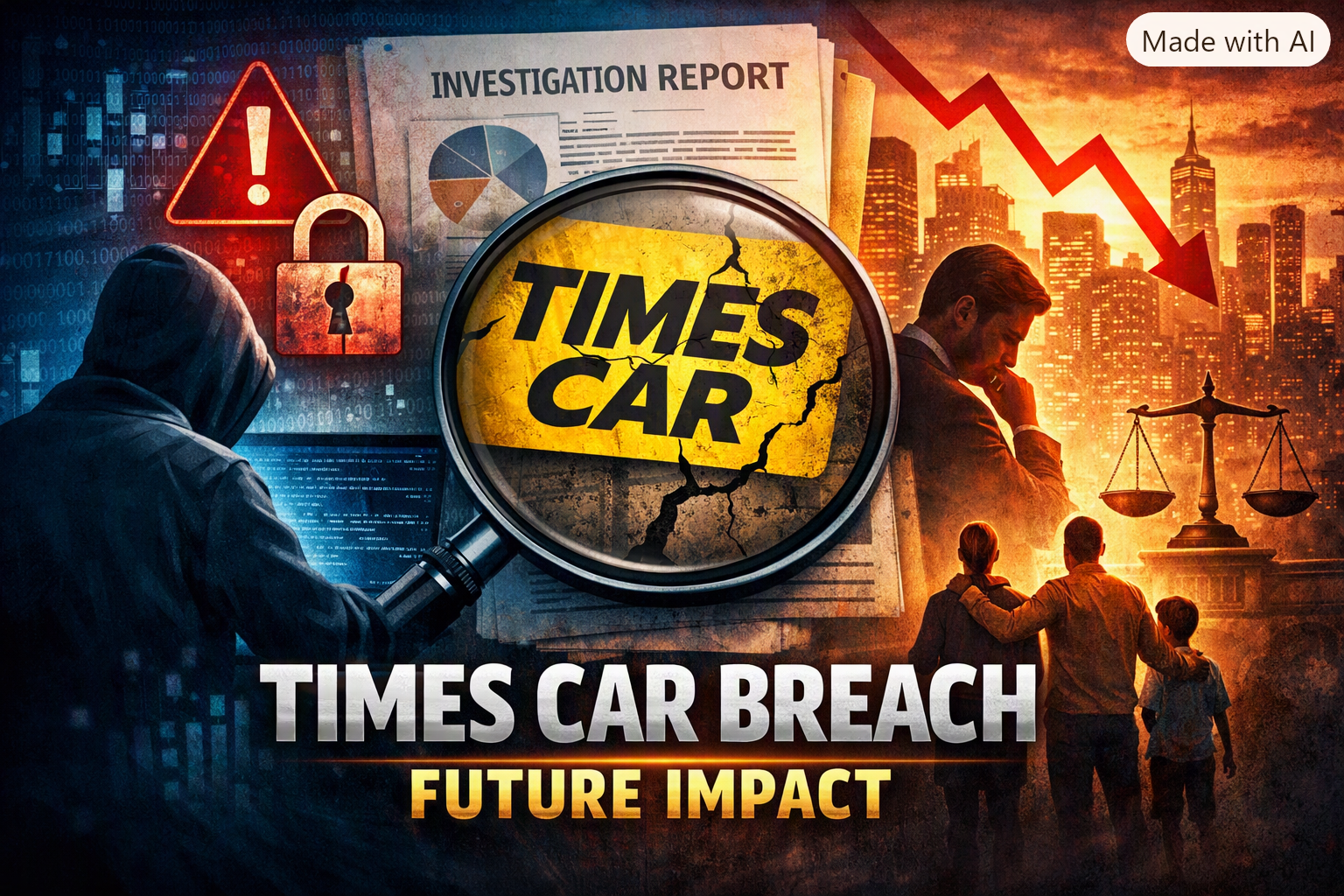
The massive data breach at Times Car, affecting up to 6.6 million users and exposing 1.6 million driver’s license images, has raised serious concerns about corporate responsibility, user protection, and the future of data governance in Japan. As the company prepares its next official update—expected around mid‑October—many users are asking what will happen next and how this incident may impact them.
This article analyzes the potential developments based on industry standards, past Japanese data breach cases, and global expectations for corporate accountability.
1. What Happens Next? Expected Timeline
Times Car announced that its next report will be released “within approximately two weeks” following the start of an external forensic investigation. Based on typical investigation timelines, the next update is likely to include:
- A detailed explanation of the attack vector
- Identification of affected systems
- Clarification of how long sensitive data was stored
- Confirmation of whether any misuse has been detected
- Additional guidance for affected users
The timing suggests that the next official announcement will arrive around October 15–20, 2026.
2. Corporate Responsibility
The Times Car incident highlights several issues related to corporate responsibility:
a. Long-term retention of sensitive documents
Driver’s license images and identity documents appear to have been stored for years, raising questions about data minimization and compliance with privacy standards.
b. Transparency and communication delays
Users reported delays in receiving notification emails, which may become a point of scrutiny in evaluating Times Car’s crisis response.
c. Vendor and system management
If subcontractors or external systems were involved, Times Car may face additional accountability for oversight and security controls.
d. Regulatory implications
Japanese authorities may investigate whether Times Car violated data protection guidelines, especially regarding retention periods and access control.
3. Compensation Outlook
Whether Times Car will offer compensation depends on several factors, but past Japanese data breach cases provide useful benchmarks.
a. What compensation typically covers
- Emotional distress
- Costs related to identity protection
- Document reissuance fees
- Verified financial damages (if any occur)
b. Past compensation examples in Japan
Incidents involving leaked identity documents have resulted in payments ranging from ¥5,000 to ¥30,000 per person, depending on severity and confirmed misuse.
c. Likelihood of compensation in this case
Given the exposure of driver’s license images and personal data, Times Car may face pressure to provide compensation, even if no misuse has been confirmed yet.
4. Social Impact
The Times Car breach has broader implications beyond individual users.
a. Trust in mobility services
Car-sharing platforms rely heavily on user trust. A breach of this scale may influence how users evaluate digital mobility services in Japan.
b. Data retention practices
The incident has sparked debate about how Japanese companies store identity documents and whether stricter retention policies are needed.
c. Corporate governance and security culture
This breach may accelerate discussions about cybersecurity investment, vendor management, and executive accountability.
d. Global reaction
English-speaking security communities have criticized the long-term storage of identity documents, calling this incident a “wake-up call” for Japanese data governance.
5. What Users Should Do Now
While waiting for the next official update, users should take basic precautions:
- Check for official emails from Times Car (including spam folders)
- Be cautious of phishing attempts or suspicious messages
- Change passwords reused across multiple services
- Monitor credit card and payment activity
- Consider placing alerts on identity monitoring services
Conclusion
The Times Car data breach is more than a single corporate incident—it reflects deeper challenges in data retention, transparency, and user protection in Japan. The upcoming official report will play a crucial role in determining how Times Car addresses corporate responsibility, potential compensation, and long-term trust.
Until then, users should remain vigilant and take proactive steps to protect their personal information.

コメント